How Can I Stop a Panic Attack in Its Tracks? Evidence-Based Coping Strategies That Work
Quick Answer: You can stop or reduce panic attacks using immediate grounding techniques like the 5-4-3-2-1 method, controlled breathing exercises, and progressive muscle relaxation. These evidence-based strategies help regulate your nervous system and interrupt the panic cycle before it peaks.
Introduction
The sudden rush of terror, racing heart, and feeling like you can't breathe, if you've experienced a panic attack, you know how overwhelming and frightening it can be. In those moments, it feels like you're losing control, and nothing seems to help. But here's what I want you to know: panic attacks, while terrifying, are not dangerous, and you have more power over them than you might think.
As mental health professionals serving the Hendersonville and Western NC community, we've worked with countless individuals who've learned to manage their panic attacks effectively. The mountain communities of Western North Carolina often foster a "tough it out" mentality, but when it comes to panic attacks, the most courageous thing you can do is learn proper coping strategies and seek support when needed.
Panic attacks affect approximately 11% of adults annually, yet many suffer in silence, unsure of how to respond when panic strikes. The good news is that research has identified specific, actionable techniques that can significantly reduce the intensity and duration of panic attacks. Today, we'll explore these evidence-based strategies that you can start implementing immediately.
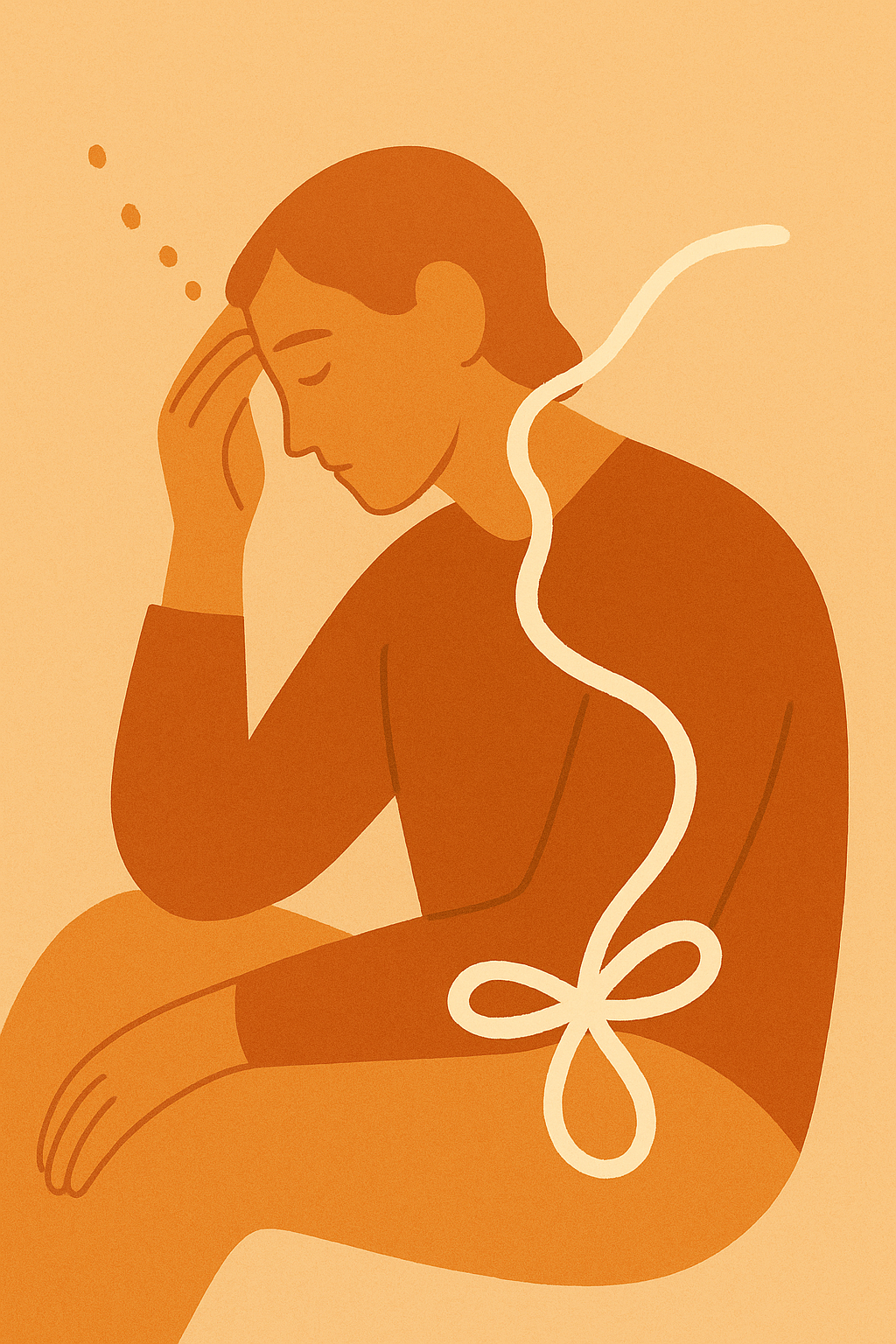
What Should I Do the Moment I Feel a Panic Attack Coming?
The first 30 seconds of a panic attack are crucial. Recognizing early warning signs and implementing immediate grounding techniques can prevent the attack from reaching its full intensity. Your body is designed to return to calm – you just need to know how to activate those natural calming mechanisms.
The 5-4-3-2-1 Grounding Technique
This sensory grounding method works by redirecting your attention away from panic symptoms and toward your immediate environment:
5 things you can see: Look around and name five specific objects
4 things you can touch: Feel different textures around you
3 things you can hear: Listen for distinct sounds in your environment
2 things you can smell: Notice any scents present
1 thing you can taste: Focus on any taste in your mouth
This technique works because it engages your prefrontal cortex – the rational part of your brain – while giving your amygdala (fear center) time to calm down.
Immediate Self-Talk Strategies
Replace catastrophic thoughts with reality-based statements:
"This is a panic attack, not a heart attack"
"This feeling will pass in a few minutes"
"I am safe right now"
"I have survived this before, and I will again"
How Can Breathing Techniques Stop Panic Attacks?
Controlled breathing is one of the most powerful tools for interrupting panic attacks. When you panic, your breathing becomes shallow and rapid, which actually perpetuates the cycle of fear. By deliberately slowing your breath, you activate your parasympathetic nervous system and signal safety to your brain.
The 4-7-8 Breathing Method
This technique, backed by research in anxiety management, works by extending your exhale longer than your inhale:
Exhale completely through your mouth
Close your mouth and inhale through your nose for 4 counts
Hold your breath for 7 counts
Exhale through your mouth for 8 counts
Repeat 3-4 cycles
Box Breathing (Square Breathing)
Used by Navy SEALs and emergency responders, this technique creates a steady, calming rhythm:
Inhale for 4 counts
Hold for 4 counts
Exhale for 4 counts
Hold empty for 4 counts
Repeat for 2-5 minutes
The key is consistency rather than perfection. If counting feels overwhelming during a panic attack, simply focus on making your exhales longer than your inhales.
Which Physical Techniques Can Help During a Panic Attack?
Progressive muscle relaxation and strategic physical movements can quickly reduce panic symptoms. Your body and mind are interconnected – when you relax your muscles, you signal to your brain that you're safe.
Progressive Muscle Relaxation (PMR)
Start from your toes and work upward:
Tense each muscle group for 5 seconds
Release and notice the contrast
Move systematically through your body
Focus on the sensation of relaxation
Even during a panic attack, you can do a "quick PMR" by tensing and releasing your shoulders, jaw, and hands – areas where we commonly hold tension.
Cold Water Technique
The "dive response" can rapidly calm your nervous system:
Splash cold water on your face and wrists
Hold a cold pack or ice cubes
Step outside into cool air if possible
This activates your vagus nerve and can interrupt the panic response within 30-60 seconds.
Movement-Based Strategies
Gentle movement helps metabolize stress hormones:
Take slow, deliberate steps
Do gentle stretching
Practice yoga poses like child's pose or legs-up-the-wall
Engage in light walking if you're able
What Cognitive Strategies Work Best for Panic Management?
Challenging catastrophic thoughts and reframing your relationship with panic symptoms can dramatically reduce their power over you. Panic attacks are maintained by the fear of the symptoms themselves – breaking this cycle is key to recovery.
Cognitive Restructuring Techniques
Common panic-related thoughts and healthier alternatives:
"I'm having a heart attack" → "This is anxiety. My heart is strong and healthy."
"I'm going to lose control" → "Feelings are temporary. I can ride this wave."
"Everyone will notice" → "Most people won't notice, and if they do, anxiety is understandable."
"This will never end" → "Panic attacks typically peak within 10 minutes."
The STOP Technique
When panic thoughts spiral:
Stop what you're doing
Take a breath
Observe your thoughts and feelings without judgment
Proceed with intention using your coping skills
Acceptance-Based Approaches
Instead of fighting the panic, try:
Acknowledging: "I notice I'm having panic symptoms"
Allowing: "It's okay to feel anxious right now"
Investigating: "What does my body need in this moment?"
Non-attachment: "This feeling will pass naturally"
How Can I Prepare for Future Panic Attacks?
Preparation is your best defense against panic attacks. Having a personalized action plan reduces the fear of future attacks and gives you confidence in your ability to cope.
Create Your Panic Attack Toolkit
Develop a portable kit containing:
Index cards with your favorite coping statements
Essential oils (lavender, peppermint) for grounding
A stress ball or fidget tool
Emergency contact numbers
A playlist of calming music or guided meditations
Lifestyle Modifications
Daily habits that reduce panic attack frequency:
Sleep hygiene: Maintain 7-9 hours of quality sleep Caffeine management: Limit intake, especially if you're sensitive Regular exercise: Even 20 minutes of walking can reduce anxiety Nutrition: Eat regular, balanced meals to stabilize blood sugar Hydration: Dehydration can mimic and worsen anxiety symptoms
Practice During Calm Moments
The most effective time to learn panic coping skills is when you're not panicking:
Practice breathing techniques daily
Use grounding exercises as part of your routine
Rehearse your self-talk phrases
Familiarize yourself with your early warning signs
When Should I Seek Professional Help for Panic Attacks?
While self-help strategies are powerful, professional support can accelerate your recovery and provide personalized treatment approaches. You don't have to manage panic attacks alone, and seeking help is a sign of strength, not weakness.
When Should I Seek Professional Help for Panic Attacks?
While self-help strategies are powerful, professional support can accelerate your recovery and provide personalized treatment approaches. You don't have to manage panic attacks alone, and seeking help is a sign of strength, not weakness.
Many people hesitate to seek professional help for panic attacks, often thinking they should be able to handle it on their own or that their symptoms aren't "serious enough" for therapy. However, panic attacks can significantly impact your quality of life, relationships, and daily functioning. Professional support isn't just for severe cases – it's a valuable resource for anyone looking to understand their anxiety better and develop more effective coping strategies.
The earlier you seek help, the more effectively you can prevent panic attacks from escalating or developing into more complex anxiety patterns. What starts as occasional panic attacks can sometimes evolve into panic disorder, agoraphobia, or generalized anxiety if left untreated. Professional intervention can help interrupt this progression and teach you skills that serve you for life.
Signs It's Time for Professional Support
Consider therapy if you experience:
Panic attacks that interfere with daily activities (work, school, relationships)
Avoidance of places or situations due to fear of panic
Constant worry about having another panic attack (anticipatory anxiety)
Physical symptoms that concern you or mimic other medical conditions
Difficulty implementing coping strategies on your own
Panic attacks that seem to worsen over time or become more frequent
Sleep disturbances related to anxiety about panic attacks
Relationship strain caused by your anxiety or avoidance behaviors
Feelings of depression or hopelessness related to your panic symptoms
Use of alcohol, substances, or medications to cope with panic anxiety
What to Expect in Professional Treatment
Initial Assessment: A qualified therapist will conduct a thorough evaluation to understand your specific symptoms, triggers, medical history, and how panic attacks are affecting your life. This helps create a personalized treatment plan tailored to your needs.
Collaborative Approach: Effective therapy for panic attacks is a partnership. Your therapist will work with you to identify your goals, preferences, and any concerns about treatment. You'll learn to become an active participant in your own healing process.
Skills-Based Learning: Professional treatment goes beyond just talking about your anxiety. You'll learn concrete, evidence-based techniques and practice them in a safe, supportive environment. Your therapist can help you adapt these strategies to your specific triggers and lifestyle.
Evidence-Based Treatments Available
Cognitive Behavioral Therapy (CBT): The gold standard for panic disorder treatment. CBT helps you identify and change thought patterns that contribute to panic while teaching practical coping skills. Research shows CBT can be effective in as few as 12-16 sessions for many people.
Exposure Therapy: Gradually and safely reduces fear of panic sensations through controlled exposure to triggers. This might include exercises that create mild physical sensations similar to panic symptoms, helping you learn they're not dangerous.
EMDR (Eye Movement Desensitization and Reprocessing): Particularly effective for panic attacks rooted in traumatic experiences. EMDR helps process and integrate difficult memories that may be contributing to your panic response.
Mindfulness-Based Therapies: Including Acceptance and Commitment Therapy (ACT) and Mindfulness-Based Stress Reduction (MBSR). These approaches teach you to change your relationship with anxiety rather than trying to eliminate it completely.
Somatic Approaches: Focus on the body's role in panic attacks, teaching you to recognize and respond to physical sensations before they escalate into full panic episodes.
Finding the Right Therapist
Look for specialization: Seek therapists who specifically mention anxiety disorders, panic attacks, or trauma in their practice areas. Experience with evidence-based treatments for anxiety is crucial.
Consider logistics: Think about practical factors like location, scheduling flexibility, insurance coverage, and whether you prefer in-person or telehealth sessions.
Trust your instincts: The therapeutic relationship is vital to success. You should feel heard, understood, and safe with your therapist. Don't hesitate to schedule consultations with multiple therapists to find the right fit.
Feel free to reach out if to our staff you have any questions on how we can help.
Integration with Medical Care
Collaborative care: Your therapist may recommend coordination with your primary care physician or a psychiatrist, especially if you have physical symptoms that need medical evaluation or if medication might be helpful as part of your treatment plan.
Holistic approach: Professional treatment often addresses lifestyle factors that contribute to anxiety, including sleep, nutrition, exercise, and stress management. Your therapist can help you create sustainable changes that support your overall mental health.
In Western North Carolina, many individuals benefit from combining therapy with the natural calming effects of our mountain environment. Nature-based grounding techniques can be particularly effective in our region, and many therapists here incorporate outdoor or nature-informed approaches into their practice.
Remember: Seeking help is not an admission of failure – it's an investment in your wellbeing and future. Professional support can help you not just manage panic attacks, but truly understand and overcome them, leading to lasting relief and improved quality of life.
Retry
FAQ Section
Q: How long do panic attacks typically last? A: Most panic attacks peak within 10 minutes and rarely last longer than 30 minutes. However, the lingering effects of anxiety after an attack can last several hours. Knowing this timeframe can help you ride out the intense symptoms with the confidence that they will pass.
Q: Can panic attacks cause physical harm to my body? A: While panic attacks feel dangerous, they are not physically harmful. Your heart, lungs, and other organs are designed to handle the temporary stress response. However, if you have concerns about physical symptoms, it's always appropriate to consult with your healthcare provider for reassurance.
Q: Is it normal to feel exhausted after a panic attack? A: Yes, feeling drained after a panic attack is completely normal. Your body has just experienced a significant stress response, similar to running a sprint. Rest, hydration, and gentle self-care are important for recovery. Many people find a warm shower or light snack helpful afterward.
Q: Can I prevent panic attacks from happening at all? A: While you may not be able to prevent every panic attack, you can significantly reduce their frequency and intensity through regular practice of coping strategies, lifestyle modifications, and professional treatment when needed. Many people find their panic attacks become much more manageable over time.
Q: Should I avoid situations where I've had panic attacks before? A: Avoidance often makes panic attacks worse in the long run by reinforcing fear. Instead, gradually re-approaching feared situations while using your coping skills can help break the cycle. This process, called exposure, is often best done with professional guidance to ensure it's done safely and effectively.
Conclusion
Living with panic attacks doesn't mean living in fear. The strategies we've discussed today, from immediate grounding techniques to long-term lifestyle changes, can help you regain control and confidence in your daily life. Remember, learning to manage panic attacks is a skill that improves with practice, and every small step forward is meaningful progress.
Here in Hendersonville and throughout Western North Carolina, you have access to beautiful natural spaces that can enhance your healing journey. Whether it's practicing breathing exercises by the French Broad River or using grounding techniques in our mountain forests, your environment can be a powerful ally in recovery.
If panic attacks are impacting your quality of life, don't hesitate to reach out for professional support. At Hendersonville Counseling, our experienced therapists specialize in anxiety and panic disorders, offering evidence-based treatments tailored to your unique needs. We understand the challenges you're facing and are here to walk alongside you toward lasting relief.
Ready to take the next step? Contact Hendersonville Counseling today to schedule a consultation and learn how our anxiety therapy services can help you develop personalized strategies for managing panic attacks and reclaiming your peace of mind.
References and Professional Insights
This information is based on evidence-based practices recommended by the American Psychological Association and incorporates techniques from Cognitive Behavioral Therapy, mindfulness-based interventions, and somatic approaches to anxiety treatment. Our clinical experience with anxiety disorders in the Western North Carolina community has consistently shown that individuals who actively practice these coping strategies experience significant improvement in their panic symptoms and overall quality of life.
American Psychological Association anxiety resources
National Institute of Mental Health panic disorder information